
Gender Differences in Advertising: Why “Men vs. Women” Strategies Fail (And What Works in 2026)

I hope you enjoy this blog post. If you want Hello Bar to grow your leads, click here.
Author:
Mansi
Published
December 30, 2025
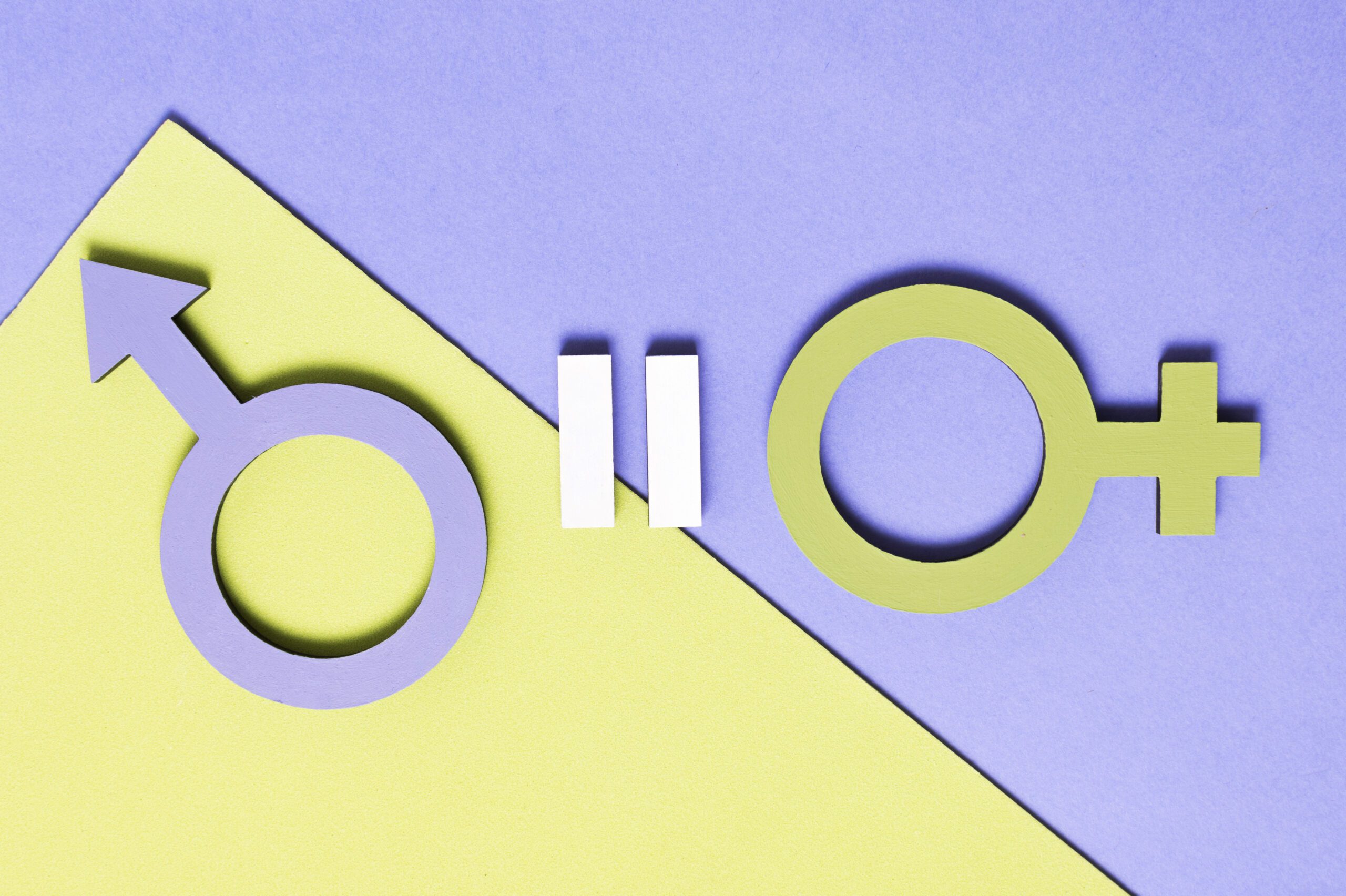
For decades, the playbook for Men vs Women advertising was simple: functionality and dark colors for men; emotion and pastel colors for women. In 2026, this binary approach to gender marketing is not just outdated—it is a revenue leak.
While biological and psychological differences in information processing exist, the modern consumer (particularly Gen Z and Alpha) rejects rigid labels. The highest-converting brands today have pivoted from traditional Men vs Women advertising tropes to interest-based segmentation.
This guide is for CMOs, Brand Strategists, and Ad Buyers. It covers:
- The Science: How the gender differences in advertising reception are rooted in cognitive processing (The Selectivity Hypothesis).
- The Shift: Why the “Pink Tax” era is dead and what replaces it.
- The Solution: Moving from demographics to psychographics using zero-party data.
- The ROI: How neutralizing Men vs Women advertising biases increases your Total Addressable Market (TAM).
Table of Contents
The Evolution of Gender Differences in Advertising
To understand the future, we must audit the past. Gender marketing is the practice of segmenting audiences based on biological sex and applying heuristic stereotypes to product design and messaging.
Historically, gender differences in advertising were driven by the “Separate Spheres” ideology:
- The Male Sphere: Public, professional, decisive. Men vs Women advertising focused on status, utility, and dominance for him.
- The Female Sphere: Domestic, nurturing, decorative. Messaging focused on beauty, home management, and social approval for her.
Today, these lines have dissolved. With dual-income households being the norm and purchasing power shifting, the decision-making unit is rarely a single gender. Yet, many algorithms still optimize for these Men vs Women advertising biases, leading to ad fatigue.
The Science of “Men vs Women Advertising”: Processing Styles
This is where most marketers get it wrong. They confuse cultural stereotypes with cognitive processing.
According to the Selectivity Hypothesis, developed by Meyers-Levy, there are nuanced gender differences in advertising reception, but they aren’t about “trucks vs. dolls.” They are about how data is consumed.
The Male Heuristic (Streamlined)
Research into Men vs Women advertising suggests male consumers often utilize heuristic processing. They prefer:
- Linear narratives.
- Single-attribute focus (e.g., “This car is the fastest”).
- Objective data points over subjective experience.
- Marketing Implication: Ads targeting men often convert better when they eliminate clutter and focus on a singular value proposition.
The Female Comprehensive (Holistic)
Female consumers often utilize comprehensive processing. When analyzing gender differences in advertising, we find women tend to:
- Assimilate all available cues (visuals, text, music, context).
- Value narrative complexity and emotional resonance.
- Evaluate the relationship between the brand and the lifestyle.
- Marketing Implication: Ads targeting women require higher congruency between the message and the visual elements. Inconsistencies are spotted faster.
The 2026 Takeaway: You don’t need to make the product pink. To master gender differences in advertising, you need to align your information density with the processing style of your target persona.
The “Pink Tax” Rebellion: Why Gender Marketing Backfires

Gender marketing is no longer just ineffective; it is a PR liability. The “Pink Tax”—charging more for a female-marketed version of a generic product—has created consumer hostility towards traditional Men vs Women advertising.
The Data on Gender Fluidity
The binary concept of Men vs Women advertising alienates the fastest-growing spending cohort.
- 50% of Millennials view gender as a spectrum.
- Gen Z consumers are 2x more likely to boycott a brand that enforces rigid gender differences in advertising stereotypes.
When a brand forces a “For Him” or “For Her” label on a neutral product (like skincare, razors, or toys), they artificially limit their Total Addressable Market (TAM). By removing the gender label, you open the inventory to 100% of the population rather than 50%.
Case Studies: Brands That Pivoted Successfully
Leading brands are proving that ignoring traditional gender differences in advertising leads to scale.
LEGO: “Ready for Girls”
LEGO found that while girls were ready to play with “boy” toys, society penalized them for it. Conversely, boys feared playing with “girl” toys due to rigid Men vs Women advertising norms.
- The Pivot: LEGO stopped labeling toys by gender on their website. They organized by passion points (Space, Ninjas, Arts).
- The Result: Increased engagement across all demographics and a diversified revenue stream beyond the “blue aisle.”
Harley-Davidson: The Rider, Not The Gender
Harley-Davidson faced an aging male demographic. To survive, they needed to bridge the gap in gender differences in advertising.
- The Pivot: Instead of making “pink bikes,” they featured women riding the same heavy machinery as men. They focused on the psychographic of “Freedom” and “Rebellion.”
- The Result: They became a market leader in sales to female riders without diluting their brand equity.
The New Playbook: Psychographics Over Demographics
The solution to the Men vs Women advertising dilemma is Psychographic Segmentation.
Demographics tell you who the buyer is (Male, 35). Psychographics tell you why they buy (Eco-conscious, Status-seeker, Value-hunter).
The Interest Graph
Instead of “Gifts for Him,” organize your marketing optimization around:
- Behaviors: “Frequent Traveler,” “Marathon Runner.”
- Values: “Sustainable Sourcing,” “Vegan,” “Made in USA.”
- Aesthetics: “Minimalist,” “Industrial,” “Bohemian.”
By targeting the interest, you naturally capture the gender demographic that aligns with it, effectively bypassing the limitations of gender differences in advertising.
Implementation: Personalization Without Stereotypes
How do you implement this in a tactical marketing campaign?
A. The Zero-Party Data Strategy (Quizzes)
Don’t guess gender; ask for preference. Use conversational popups or “Style Quizzes” to gather data, rendering old Men vs Women advertising tactics obsolete.
- Old Way: “Shop Men’s” / “Shop Women’s”
- New Way: “What is your skin concern?” (Oily, Dry, Sensitive).
- Result: A man with dry skin gets the same moisturizer recommendation as a woman with dry skin. The product solves the problem, not the gender.
B. Dynamic Content Optimization (DCO)
Use AI to swap visuals based on user behavior, not gender assumptions.
- If a user clicks on “rugged outdoor gear,” serve imagery of mountains and mud.
- If a user clicks on “urban commuting,” serve imagery of subways and coffee shops.
- The Key: The “Model” in the ad can be diverse, but the context must match the user’s intent.
C. Cart Abandonment Nuance
Gender differences in advertising extend to purchasing habits.
- Heuristic Buyers (Stereotypically Male): Respond well to scarcity and specs. (“Only 2 left. 500HP engine.”)
- Comprehensive Buyers (Stereotypically Female): Respond well to social proof and security. (“See why 5,000 people love this. Free Returns.”)
- Strategy: A/B test these flows based on user behavior (fast clicker vs. deep reader) rather than strictly adhering to Men vs Women advertising norms.
Ready to modernize your campaign optimization? Stop leaving 50% of your market on the table. Focus on psychographics, leverage zero-party data, and build campaigns that convert human beings, not stereotypes.
Also read our blog on FOMO Marketing Guide with Examples
FAQ: Gender Differences in Marketing
Q: Do gender differences in advertising still impact conversion rates?
A: Yes, but not due to stereotypes. Differences lie in information processing. Men generally prefer heuristic (quick) cues, while women prefer comprehensive (detailed) information. Optimizing for these styles works better than traditional Men vs Women advertising.
Q: What is the biggest mistake in Men vs Women advertising?
A: The “Pink It and Shrink It” strategy. Taking a product designed for men, making it smaller/pink, and charging more is the fastest way to lose the female demographic in 2026.
Q: How do I market a gender-neutral product effectively?
A: Focus on the “Job to Be Done.” Market the problem the product solves (e.g., “Removes wine stains”) rather than utilizing gender differences in advertising to define the user.
Q: Is gender marketing dead?
A: “Stereotypical” gender marketing is dead. However, acknowledging biological needs (e.g., specific health products) remains valid. The key is to market based on necessity, not societal assumption.